Superior Senior Care Services: Compassionate Resources for Mature Loved Ones
Quality elderly care services play an crucial role in assisting aging loved ones. They offer tailored care plans that focus on individual needs and foster emotional connections. This approach not only improves dignity and health but also combats loneliness. Families often desire assurance that their family members get compassionate care. As they consider the choices at hand, several important factors matter. Recognizing these can greatly impact the choice ahead.
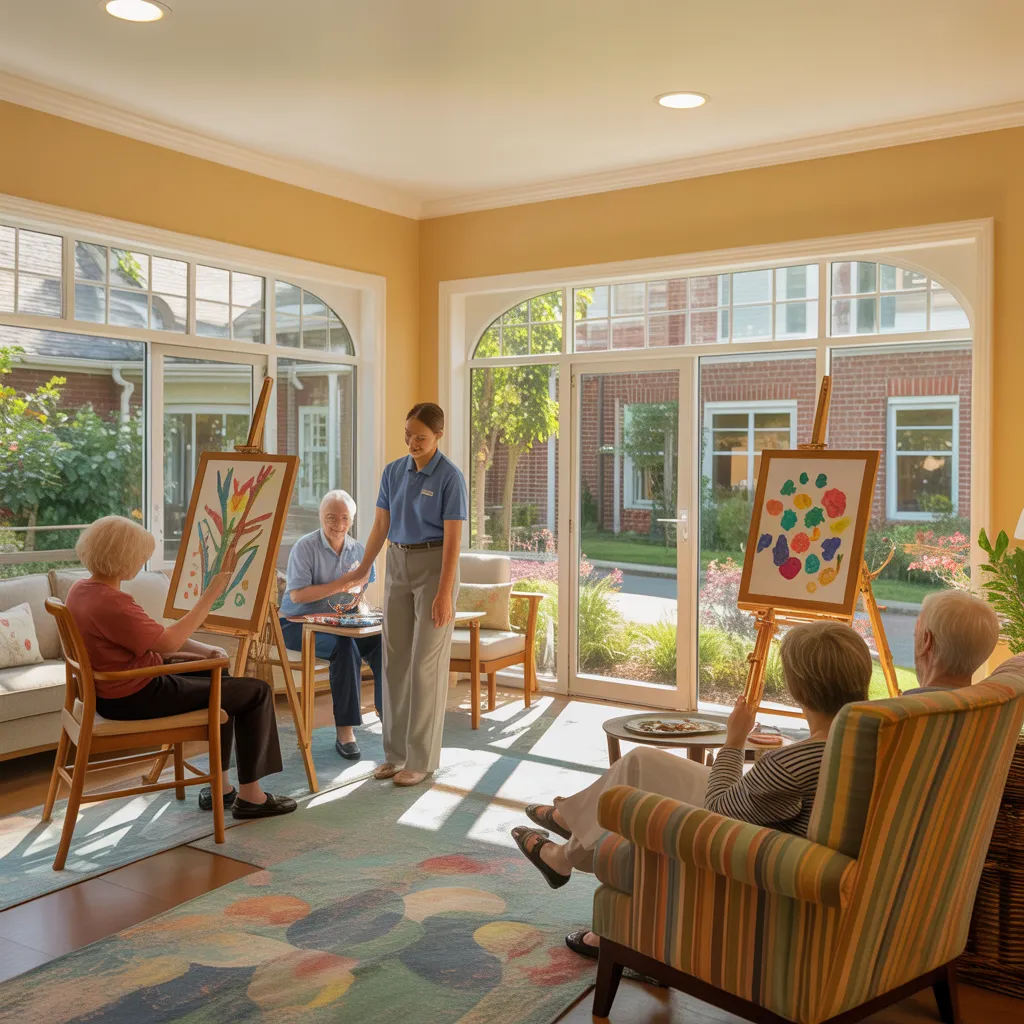
Why High-Quality Elderly Care Is Important for Your Loved Ones
Quality senior is essential for guaranteeing that senior adults maintain their dignity, health, and overall well-being. As people age, they often experience physical and cognitive changes that can weaken their independence. Access to quality care helps resolve these challenges, offering support personalized to individual needs. This care not only assists with daily activities but also fosters emotional connections, lessening feelings of isolation and loneliness that many seniors face.
Additionally, quality senior care enhances health through consistent healthcare monitoring, timely interventions, and customized health programs. Such environments encourage community interaction and mental stimulation, supporting a better standard of living. Families can find peace of mind knowing their family members are receiving caring assistance, which is essential during this vulnerable stage of life. Putting resources toward quality senior care ultimately helps not just the seniors but also their families, reinforcing bonds and ensuring a supportive network.
Important Attributes to Identify in Senior Care Services
Selecting senior care services means that critical aspects significantly influence the quality of care delivered. Custom care plans ensure that every individual's unique requirements are satisfied, while qualified caregivers and staff contribute to a secure and nurturing setting. These essential elements form the foundation for successful and empathetic senior care.
Personalized Care Plans
Individualized treatment plans are vital for ensuring that seniors get bespoke support that meets their unique needs. These plans should commence with an thorough assessment of the person's condition, wishes, and lifestyle. Considerations like health records, community involvement, and emotional well-being must be considered to create an efficient strategy. Flexibility is critical; as seniors' needs shift, their care plans should be regularly assessed and adjusted. Furthermore, working together among family and healthcare providers strengthens the plan's effectiveness, promoting a holistic approach. Choosing elderly care solutions that focus on individualized support strategies ensures that elderly loved ones receive the focused attention they need, fostering dignity and life satisfaction in their later years.
Skilled Care Attendants and Team Members
Skilled care providers and staff hold an essential position in delivering effective senior care services. Their expertise ensure not only the safety and well-being of elderly individuals but also improve their quality of life. It is critical to seek caregivers certified in first aid, CPR, and specialized elderly care techniques. Empathy, patience, and effective communication abilities are equally vital traits, promoting trust and comfort among seniors. Furthermore, continuous training in advancing care practices allows staff to stay informed on best methods. A supportive team culture among caregivers is key, facilitating collaboration and consistent care. In the end, well-trained staff significantly enhance a positive and nurturing environment for aging loved ones.
Strategies for Selecting the Ideal Senior Care Service for Your Family Member?
In what ways can families guarantee they choose the most suitable elderly care service for their loved ones? Initially, they should evaluate the specific needs of their family members, taking into account factors such as health conditions, mobility, and individual choices. Exploring various care options—including in-home care to senior living communities—is essential. Households should emphasize facilities with well-trained staff, positive reviews, and proper certification.
Visit prospective care services to evaluate the setting and observe interactions between caregivers and clients. Asking direct inquiries about staff-to-resident ratios, crisis procedures, and offered amenities can provide valuable insights. Additionally, families should consider the location, as distance can affect visitation and support.
Ultimately, budgeting care costs is indispensable; being aware of costs and financial resources can facilitate selecting the right choice. By completing this process, households can verify they obtain an elderly care solution that fits their loved one's unique needs and circumstances.
Companionship and Its Role in Senior Care
Companionship holds an essential role in strengthening the quality of life for seniors in care settings. Social connections notably impact mental and emotional well-being, supplying seniors with a connection to community and purpose. When individuals participate in purposeful social engagement and events, they experience diminished feelings of loneliness and depression.
Moreover, companionship fosters cognitive stimulation, encouraging seniors to share stories and memories, which can enhance recall and mental abilities. Caregivers who offer companionship often help seniors maintain their autonomy by motivating involvement in pursuits that support physical health and social interaction.
Moreover, maintaining companionship can smooth the shift into care settings, making the environment feel more welcoming. This emotional support can be vital during challenging times, helping seniors work through senses of loss or transition. Ultimately, togetherness is not just a luxury; it is a key ingredient of complete senior wellness that fosters both the emotional and spiritual aspects.
Understanding Senior Care Costs
Providing emotional support through companionship in senior care settings is commonly linked to a important financial aspect: the costs connected with senior care services. These expenses range depending on aspects like the type of care needed, geographic location, and the level of service provided. In-home care, assisted living, and nursing homes exhibit different pricing frameworks, with in-home care typically costing less than institutional settings.
Moreover, the fee may show the background of attendants, the level of complexity of care needed, and the services provided. Families should also factor in possible hidden costs, such as transportation and equipment. Understanding these financial considerations is important for families planning ongoing care services for their loved ones. By securing understanding on the potential costs, families can decide wisely that correspond to their budget and care preferences, making sure their family members obtain the vital assistance.
Steps to Validate Senior Care Providers Qualifications
When selecting a senior care provider, it is important to confirm their credentials to ensure superior service. This includes reviewing licensing requirements, evaluating their background and training, and confirming their insurance coverage. Each of these factors contributes to a comprehensive understanding of the organization's qualifications and dependability.
Examine Licensing Requirements
Several households seeking senior care services stress verifying the credentials of prospective providers. A vital phase in this procedure is examining the licensing requirements specific to the state or region. Each state has its own regulations regulating senior care facilities and in-home care providers, making sure they meet certain criteria of care and safety. Families should consult their state's health department discover the facts or regulatory agency to confirm that the provider holds the required licenses and certifications. Additionally, it is important to confirm if there have been any issues or disciplinary actions against the provider. This diligence helps families make informed selections, ensuring their loved ones receive care from qualified and compliant professionals.
Evaluate Experience and Education
After checking licensing standards, families should concentrate on considering the experience and expertise of senior care providers. It is important to request information on the provider's history, including duration of work and particular knowledge. Families can request testimonials or feedback from previous clients to gain insights into the provider’s dependability and standard of care. Additionally, reviewing qualifications and any specialized training, such as certifications in geriatric care, can further ensure that the provider is properly trained to meet the distinct demands of seniors. Engaging in dialogue about ongoing training or professional development can also demonstrate the provider's dedication to upholding excellence in senior care. This comprehensive evaluation helps families make educated decisions.
Check Insurance Coverage
How can households guarantee that their selected senior care provider is adequately covered? Verifying insurance coverage is essential in this procedure. Families should ask for proof of insurance from potential providers to verify they have adequate liability coverage. This includes general liability and professional liability insurance, which protects against claims related to malpractice or negligence. Additionally, families should confirm that the provider's insurance is current and not expired. It's recommended to ask for details concerning the policy limits and coverage specifics. Moreover, checking for any state licensing requirements can add another layer of security. By thoroughly verifying these credentials, families can make well-reasoned choices and guarantee their aging loved ones receive the care they deserve in a safe environment.
Advancing Self-sufficiency and Dignity in Aging Assistance
Supportive environments that promote mobility and access are crucial. Modifications in home environments, such as grab bars and wheelchair ramps, can greatly improve safety while enabling seniors to retain control over their environment. Additionally, fostering community bonds through community activities can combat loneliness, further advancing dignity.
Preparing support staff to approach seniors with regard and insight is essential. By recognizing the importance of preserving personal agency, caregivers can help seniors progress through their routine activities with certainty. Ultimately, a caring and tailored approach to senior care can notably strengthen both independence and esteem for senior family members.
Often Asked Queries
What Are the Signals Your Loved One Calls for Assisted Living Care?
Evidence that a family member needs senior care encompasses obvious forgetfulness, difficulty with daily activities, changes in behavior or mood, physical weakening, and reduced social engagement. Observing these indicators can facilitate timely support and intervention.
How Might Technology Strengthen the Standard of Senior Support Services?
Technology can strengthen senior care services by facilitating remote monitoring, enhancing dialogue with healthcare professionals, permitting availability to telemedicine, and offering solutions for drug administration, thereby ensuring seniors obtain immediate and efficient support tailored to their needs.
What Formats of Hobbies Support Mental Health in Seniors?
Participating in activities including puzzles, reading, gardening, and social interactions can substantially boost mental health in seniors. These pursuits strengthen mental processes, promote emotional well-being, and create meaningful bonds, ultimately improving their overall quality of life.
What Specialized Services Are Available for Elderly People With Dementia?
Yes, expert care for seniors with dementia offers memory care facilities, individualized wellness initiatives, and trained caregivers who deliver structured activities, preserving safety while encouraging intellectual participation and mental wellness suited for individual needs.
How Can Families Support Senior Care Givers?
Families can support senior care providers by keeping open communication, providing assistance with logistics, providing input, and demonstrating appreciation. This collaborative strategy creates a favorable setting, enhancing quality of care for seniors in need.